Why Choosing the Right Medicare Agent Matters
September 22, 2026
Medicare is complicated. Between Parts A and B, Medicare Advantage, Medigap, drug plans, enrollment windows, penalties, and constant plan changes, it’s easy to feel overwhelmed. And choosing the wrong plan, or enrolling at the wrong time, can cost you money and limit your access to care.
That’s why the right Medicare agent makes all the difference.

A knowledgeable, ethical, independent agent simplifies the process, protects your finances, and helps you make confident decisions about your healthcare.
1. Medicare Is Complex — Your Agent Should Make It Simple
Medicare has a lot of moving parts. A great agent explains everything in plain language:
- What Original Medicare covers
- The difference between Advantage and Medigap
- How drug plans work
- Your potential out‑of‑pocket costs
- Which enrollment periods apply to you
Instead of confusion, you get clarity.
2. Your Health Needs Are Unique
There’s no one “best” Medicare plan; only the best plan for you. A strong agent reviews your:
- Doctors
- Prescriptions
- Preferred hospitals
- Travel habits
- Budget
- Long‑term health goals
Your coverage should match your real life.
3. The Right Agent Helps You Avoid Costly Mistakes
Medicare has strict rules, and missing them can lead to lifetime penalties. A good agent helps you avoid:
- Late enrollment fees
- Gaps in coverage
- Plans that exclude your doctors
- Drug plans that don’t cover your medications
- Surprise costs
The right agent protects you.
4. Independent Agents Offer More Options
Some agents represent only one company. Independent agents compare multiple carriers so you see every option. This matters because:
- Plans vary by county
- Networks change
- Drug formularies shift
- Premiums and copays differ
You deserve unbiased guidance.
5. A Good Agent Saves You Time, Stress, and Money
A great agent:
- Compares plans
- Reviews your medications
- Checks your doctors
- Explains costs
- Helps you enroll correctly
- Ensures you’re not overpaying
Many people save hundreds, even thousands, with the right plan.
6. Support Doesn’t End After Enrollment
Medicare changes every year. Your agent should be there for:
- Annual reviews
- Billing questions
- Plan changes
- Advocacy when issues arise
You’re never navigating Medicare alone.
7. Choose Your Agent Carefully
Look for someone who is:
- Independent
- Educational, not sales‑driven
- Thorough about your doctors and medications
- Clear about costs
- Committed to annual reviews
- Ready to advocate for you
The right agent empowers you. The wrong one overwhelms you.
The Bottom Line
Medicare is too important, and too complex, to tackle alone. The right Medicare agent helps you understand your options, avoid costly mistakes, and feel confident in every decision.
A great agent doesn’t just enroll you. They help you plan, protect, and thrive.
Health Insurance Open Enrollment: There’s Still Time
December 16, 2025

Open enrollment is STILL here , but the clock is ticking. You can still get coverage for 2026, but applications must be submitted by Jan 15th! If you’ve been quoted a higher rate, don’t assume that’s the final word. There is still time to get a second opinion, explore your options, and make sure you’re not leaving money, or peace of mind, on the table.
With subsidies and policy changes still uncertain, it’s more important than ever to talk with someone knowledgeable who is keeping up with the latest news. Guidance from an expert can help you navigate the shifting landscape and find coverage that truly fits your needs and budget.
Why Acting Now Matters
- Rates vary: A second opinion could uncover a plan that saves you money.
- Subsidies are evolving: Don’t wait until it’s too late to understand how changes may affect you.
- Accidents happen: One unexpected injury or illness can cause significant financial strain if you’re uninsured.
The Bottom Line
Please do not go uninsured. Health insurance isn’t just a policy, it’s protection for your family, your finances, and your future. Open enrollment is your chance to secure coverage, and there is still time to make the right choice. Call me today! (803) 261-4186.
Flood Insurance: What You Need to Know in 2025
July 31, 2025

Flood Insurance: What You Need to Know in 2025
With floods dominating the headlines lately, many homeowners are asking:
“Do I need flood insurance, and how soon does it take effect?”
Whether you’re in a high-risk zone or just want peace of mind, here’s what you should know—especially about the 30-day waiting period that often surprises people.
What Is Flood Insurance?
Flood insurance is a separate policy that covers damage caused by flooding—something not included in standard homeowners or renters insurance. It’s available through:
- The National Flood Insurance Program (NFIP), managed by FEMA
- Private flood insurance providers, which may offer more flexible terms
Flood insurance typically covers:
- Structural damage to your home
- Electrical and plumbing systems
- Appliances, flooring, and built-in furniture
- Foundation walls and staircases
It does not cover:
- Temporary housing
- Vehicles
- Landscaping
- Damage from sewer backups (unless directly caused by flooding
The 30-Day Waiting Period
One of the most important things to understand is the NFIP’s mandatory 30-day waiting period. That means if you buy a policy today, it won’t be active until 31 days later at 12:01 AM.
Why the Wait?
This rule is designed to prevent people from buying coverage only when a storm is imminent. Unfortunately, it also means you can’t wait until the last minute.
Exceptions to the Rule:
- Loan closings: If flood insurance is required for a mortgage, the waiting period may be waived.
- Flood map changes: If your area was recently reclassified as high-risk, you may qualify for immediate coverage if you act quickly.
- Private insurers: Some offer shorter waiting periods (as little as 10 days) or no wait if switching from another policy.
Flooding Can Happen Anywhere
According to FEMA, more than 20% of flood claims come from properties outside high-risk flood zones. Urban development, wildfires, and climate change are increasing flood risks in areas that were once considered safe.
Even a few inches of water can cause tens of thousands of dollars in damage. Without flood insurance, you’re left to cover those costs out of pocket—or rely on limited federal disaster aid, which is not guaranteed.
What You Should Do Now
- Assess your risk: Use FEMA’s Flood Map Service Center or talk to your agent.
- Don’t delay: The 30-day waiting period means you need to act before the next storm is forecasted.
- Compare policies: NFIP is reliable, but private insurers may offer better coverage or faster activation.
- Bundle smart: Some insurers offer discounts when bundling flood with homeowners or auto insurance.
- Ask questions: Your insurance agent can help you understand your options and find the best fit.
Need Help with Flood Insurance?
If you’re unsure whether you need flood insurance—or want to explore your options—reach out today. We’re here to help you stay protected, informed, and prepared.
Call Us! 803-261-4186.
⚡ Lightning Safety Awareness Week: June 22–28, 2025⚡
June 22, 2025
“When Thunder Roars, Go Indoors” isn’t just a catchy phrase—it’s a lifesaving reminder.
Each year, lightning strikes the United States about 25 million times, and while fatalities have decreased from around 55 to fewer than 30 annually, hundreds of people are still seriously injured. Many of these injuries go unreported, and most occur during outdoor activities that could have been paused or relocated with a little planning.
Why Lightning Awareness Still Matters
Lightning is one of nature’s most fascinating phenomena—but also one of its most dangerous. It can strike from over 15 miles away, travel through plumbing and wiring, and hit the same place more than once (yes, the Empire State Building gets struck about 23 times a year). Despite its power, lightning is often underestimated, especially during summer when outdoor fun is in full swing. That’s why Lightning Safety Awareness Week, launched in 2001 by the National Weather Service, continues to play a vital role in public education. The goal? To reduce injuries and fatalities by helping people understand the risks and take action when storms threaten.

Know the Signs, Make a Plan
Here are some key safety tips to share with your family, friends, and community:
- If you hear thunder, go indoors. You’re close enough to be struck.
- Avoid water, plumbing, and electronics during a storm—even inside.
- Stay away from trees, open fields, and tall objects.
- Wait 30 minutes after the last thunderclap before resuming outdoor activities.
- Have a shelter plan for outdoor events, sports, or travel.
Lightning Myths—Busted
- Myth: Lightning never strikes the same place twice.
Truth: It absolutely does. Tall structures like skyscrapers and towers are frequent targets. - Myth: Rubber soles protect you.
Truth: They don’t. It’s the shelter that matters, not your shoes. - Myth: If it’s not raining, you’re safe.
Truth: Lightning can strike miles ahead of a storm.
How You Can Help
- Share lightning safety tips on social media.
- Talk to kids about what to do if they’re caught outside.
- Encourage local organizations to have a storm safety plan.
- Follow your local National Weather Service office for daily lightning facts and graphics during the week.
Let’s Stay Safe Together
Whether you’re planning a picnic or just walking the dog, having a lightning safety plan can save lives. Share this post and help make our community storm-smart.
Severe weather can strike fast—are you ready?
June 12, 2025
Severe weather can strike fast—are you ready? 🌪️⛈️
With the storms we’ve seen in the South this past week, it’s more important than ever to have a solid preparedness plan in place. Check out our flyer with essential tips to protect your home, family, and vehicle before the next storm hits.

Stay safe, stay prepared, and if you have any insurance questions, we’re here to help—give me a call at (803) 261-4186!
The Good, the Bad, and the Truth About Roadside Assistance
June 5, 2025
Let’s be honest—no one expects to be stranded on the side of the road, but it happens. Whether it’s a flat tire, a dead battery, or—yes—even running out of gas (I see you, Kristin! 🤦♀️), roadside assistance can be a lifesaver. If you’re thinking about bundling it with your auto insurance, here’s what you need to know.
The Good Stuff
🚗 Instant Help When You Need It – When disaster strikes, you don’t have to frantically Google the nearest tow service. Just call your insurance provider, and they’ll send help your way.
💰 It Can Save You Money – Bundling roadside assistance with your car insurance is often cheaper than signing up for a separate service, like AAA.
📄 One Bill, One Less Headache – Instead of juggling multiple memberships and fees, keeping everything under one policy makes life easier.
🔧 They’ll Find You the Right Help – No sketchy tow truck companies or questionable mechanics. Your insurance company partners with reputable professionals to get you back on the road.
The Not-So-Great Side
😬 Limited Coverage – Some policies only cover basic roadside services. Need a locksmith, trip interruption coverage, or extensive repairs? You might be out of luck.
📈 Your Rates Might Go Up – In some cases, frequent roadside assistance claims could raise your insurance premiums. I have seen this so much in the past when potential clients are shopping rates. They get so aggravated that no one ever told them that using roadside assistance can make your rates go up and in some cases make you uninsurable to the more desirable carriers.
⏳ Help Might Take a While – If you’re stuck in the middle of nowhere, your insurer’s service network might not be as quick as you’d hope.
🚙 Coverage Might Not Apply to Every Car You Drive – If you own multiple vehicles or rent often, make sure your policy extends to them. Otherwise, you could be left stranded—again.
Final Thoughts
Bundling roadside assistance with your auto insurance is convenient, but it’s not always the best option for everyone. Before committing, compare your policy’s coverage with other services to make sure it fits your needs. After all, nobody wants to be making a desperate call from the shoulder of the highway—especially when they’ve already been there before.
If you want more information, just give me a call! I also have all the great promo codes for roadside assistance companies if you would like to purchase it separate from your insurance.
What are the risks of state minimum auto insurance coverage in South Carolina?
September 20, 2024
In South Carolina, like many states, drivers are required to have auto insurance to legally operate a vehicle. However, the state’s minimum coverage requirements may not be sufficient to protect you in the event of a serious accident. While opting for the minimum coverage might seem like a cost-effective solution, it can expose you to significant financial and personal risks. Here’s a closer look at the dangers of sticking to state minimum auto insurance coverage in South Carolina.

Understanding South Carolina’s Minimum Auto Insurance Requirements
South Carolina mandates that drivers carry the following minimum auto insurance coverage:
**Bodily Injury Liability:** $25,000 per person and $50,000 per accident.
**Property Damage Liability:** $25,000 per accident.
This basic coverage is designed to meet legal requirements and provide some level of protection for others on the road. However, these limits are often not enough to fully protect you or others involved in a serious accident.
1. Inadequate Coverage for Serious Accidents
The minimum liability limits in South Carolina might not cover all expenses associated with a severe accident. Consider the following scenarios:
- Medical Costs: If you’re in an accident where the medical expenses exceed $25,000 per person, you’ll be personally responsible for the remaining costs. Medical bills can quickly add up, especially if there are multiple injuries or long-term treatment required.
- Property Damage: If the damage to property exceeds $25,000, you’ll need to cover the additional costs yourself. This can be particularly concerning if the accident involves expensive vehicles or significant property damage.
2. Limited Protection Against Uninsured or Underinsured Drivers
In South Carolina, like elsewhere, some drivers may not carry adequate insurance coverage. The minimum policy doesn’t include protection for uninsured or underinsured motorists. If you’re involved in an accident with a driver who lacks sufficient coverage, you could be left to cover your own medical expenses and property damage.
3. Absence of Comprehensive and Collision Coverage
State minimum coverage does not include comprehensive or collision insurance, which can be critical:
- Collision Coverage: This helps pay for repairs to your own vehicle after an accident, regardless of fault. Without it, you’ll bear the full cost of vehicle repairs or replacement if you’re in a collision.
- Comprehensive Coverage: This covers damages to your vehicle from non-collision incidents such as theft, vandalism, or natural disasters. Without comprehensive coverage, you risk paying out-of-pocket for these types of damages.
4. Personal Financial Exposure
If you’re involved in an accident and your coverage limits are insufficient to cover all damages, you could face substantial out-of-pocket expenses. This could lead to financial strain, including potential legal judgments and wage garnishments if you’re sued for damages exceeding your policy limits.
5. Legal Consequences
Being underinsured can result in not only financial difficulties but also emotional stress and legal issues. The strain of covering additional costs beyond your insurance policy can be overwhelming. Furthermore, you may face legal complications if you’re unable to fully compensate others for their damages.
How to Improve Your Coverage
To better protect yourself and your finances, consider the following options:
- Increase Liability Limits: Opt for higher limits than the state minimum to ensure you have adequate protection in case of a serious accident.
- Add Comprehensive and Collision Coverage: These coverages will help protect your own vehicle and reduce out-of-pocket expenses for repairs or replacements.
- Consider Uninsured/Underinsured Motorist Coverage: This provides additional protection if you’re in an accident with someone who doesn’t have enough insurance.
While South Carolina’s minimum auto insurance coverage meets legal requirements, it often falls short in providing comprehensive protection. By opting for higher coverage limits and additional protection options, you can safeguard yourself from unexpected financial burdens and ensure a more secure driving experience. Insurance is more than just a legal obligation; it’s a critical part of your financial safety net. Don’t leave yourself exposed—consider reviewing and enhancing your auto insurance coverage today.
Contact Us to review your coverage.
Boating Safety
July 2, 2024
Boating Safety Around Lake Murray (or any lake for that matter): Tips for a Fun and Safe Day on the Lake
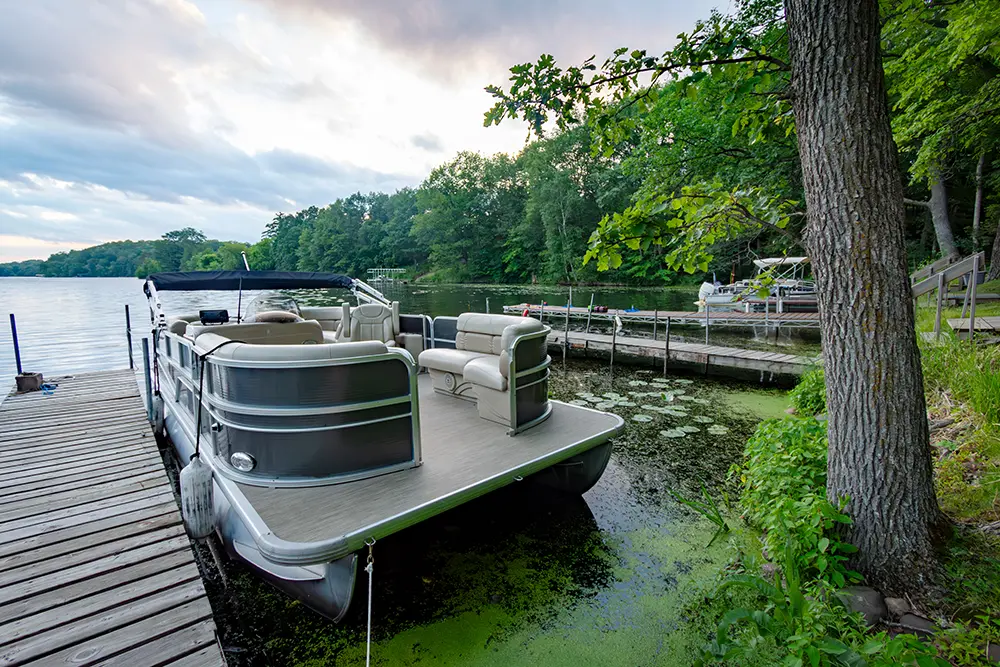
Lake Murray, often referred to as the “Jewel of South Carolina,” is a paradise for boating enthusiasts. With its expansive waters and scenic beauty, it’s no wonder that it attracts thousands of visitors every year. However, with great fun comes great responsibility. Ensuring boating safety is essential to enjoying the lake without incident. Here are some essential tips to keep you safe while boating around Lake Murray.
- Know the Boating Laws and Regulations
Before setting sail, familiarize yourself with South Carolina’s boating laws. This includes understanding speed limits, no-wake zones, and right-of-way rules. Compliance with these regulations not only ensures your safety but also that of others on the water.
- Wear Life Jackets
All boats must be equipped with a US Coast Guard-approved wearable Personal Flotation Device (PFD) for each person on board or being towed. Each PFD must be in good condition, easily accessible, and appropriately sized for the wearer. Additionally, boats 16 feet or longer must carry a Type IV throwable device. In South Carolina, anyone under twelve years old must wear a US Coast Guard-approved Type I, II, III, or V PFD when on board a class “A” boat (less than 16 feet long).
- Check the Weather Forecast
Weather conditions can change rapidly on Lake Murray. Check the weather forecast before heading out and stay alert for any changes. If you notice dark clouds, sudden temperature drops, or increased wind, head back to shore immediately.
- Maintain Your Boat
Regular maintenance of your boat is crucial. Ensure that the engine, steering, and safety equipment are all in good working order. Check for any leaks and make sure the bilge pump is functional.
- Have a Float Plan
Inform someone on land about your boating plans. A float plan should include your intended route, expected return time, and contact information for everyone on board. This ensures that someone will know to alert authorities if you don’t return as planned.
- Avoid Alcohol
Operating a boat under the influence of alcohol is illegal and extremely dangerous. Alcohol impairs judgment, coordination, and reaction times, increasing the risk of accidents. Designate a sober captain to ensure everyone’s safety.
- Stay Aware of Your Surroundings
Keep a vigilant lookout for other boats, swimmers, and obstacles. Lake Murray can be busy, especially during peak times. Avoid distractions and maintain a safe speed to react promptly to any hazards.
8. Learn Basic Boating Skills
Enroll in a boating safety course to learn essential skills such as navigation, emergency procedures, and proper boat handling. Knowledgeable boaters are less likely to experience accidents and are better prepared to handle emergencies. The link below is a list of DNR approved boating courses.
Free Boating Course from SC DNR: https://www.dnr.sc.gov/education/boated.html
- Equip Your Boat with Safety Gear
Ensure your boat is equipped with necessary safety gear, including fire extinguishers, flares, first aid kits, airhorn or whistle, PFD and throwable life ring. In an emergency, these items can be lifesaving.
- Be Mindful of Wildlife and the Environment
Lake Murray is home to diverse wildlife. Respect their habitats by keeping a safe distance and avoiding pollution. Dispose of trash properly and be mindful of fuel spills to preserve the lake’s natural beauty.
Boating on Lake Murray is a fantastic way to enjoy the hot summer days in SC, but safety should always be your top priority. I hope these tips help ensure a fun and safe boating experience for you and your friends and family. Get out there, enjoy the water, and stay safe!
Feel free to share your thoughts or additional tips in the comments below. Happy boating!
Does my credit affect how much I pay for insurance?
May 16, 2024
Credit can affect your insurance rate in a few different ways. Insurance companies may use your credit score as one of the factors to determine your risk profile as a policyholder. Generally, individuals with higher credit scores are seen as more financially responsible and are therefore considered lower risk to insure. This can result in lower insurance premiums for those with good credit.
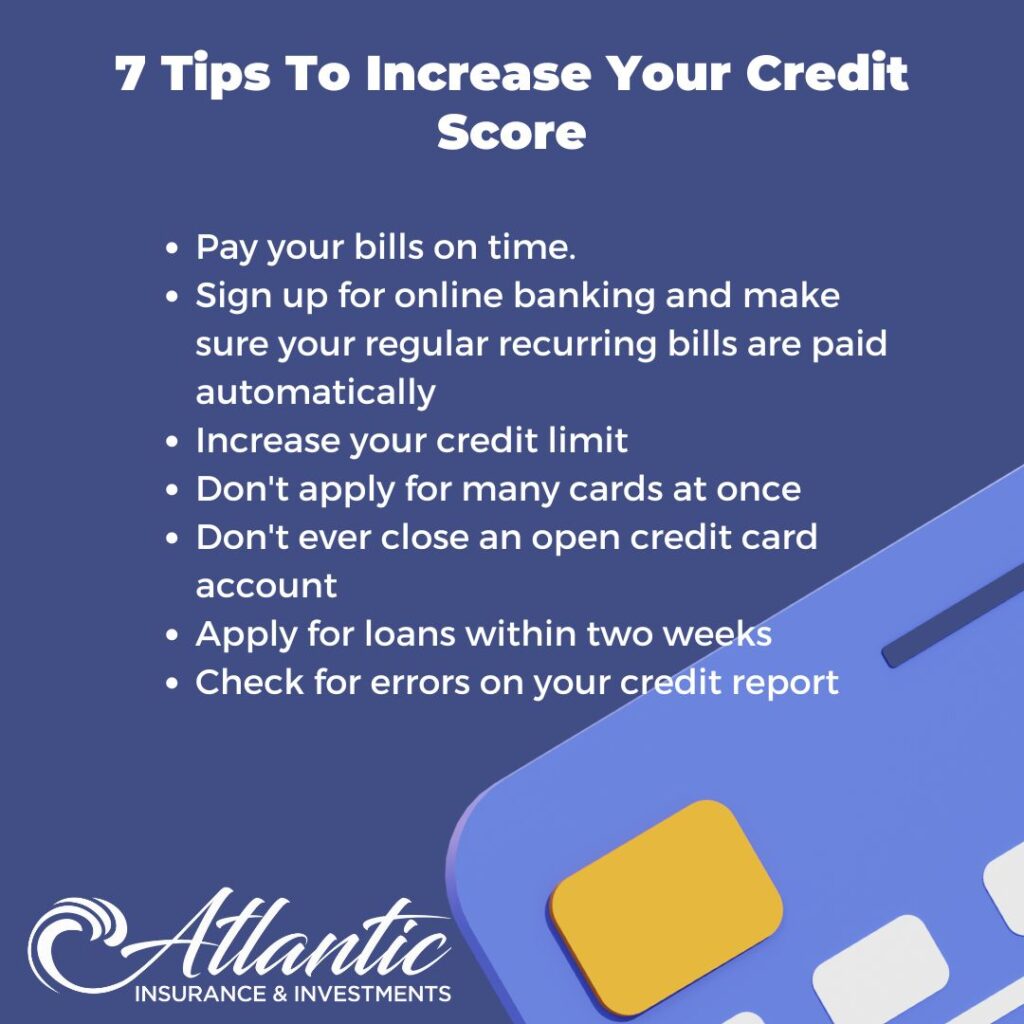
On the other hand, individuals with lower credit scores may be seen as higher risk and may be charged higher premiums as a result. Insurers believe that those with lower credit scores are more likely to file insurance claims, leading to increased costs for the insurance company.
It’s important to note that the use of credit scores in insurance pricing varies by state and insurance company, as not all states allow insurers to use credit information when setting rates. Additionally, insurance companies typically consider a variety of factors when determining rates, so your credit score is just one piece of the puzzle.
If you have any additional questions about how your credit rate factors your premium, give us a call.
Understanding Water Backup and Sump Overflow Endorsements
September 20, 2023
Homeownership is a huge investment, and protecting it from unexpected events is crucial. While standard homeowners insurance policies offer essential coverage, they may not always include protection against water damage caused by sump pump overflows or sewer backups. To safeguard your home comprehensively, it’s very important to understand and consider adding a water backup and sump overflow endorsement to your policy.
What are the Risks: Water damage can wreak havoc on your home and personal belongings. Two common culprits are sump pump overflows and sewer backups.
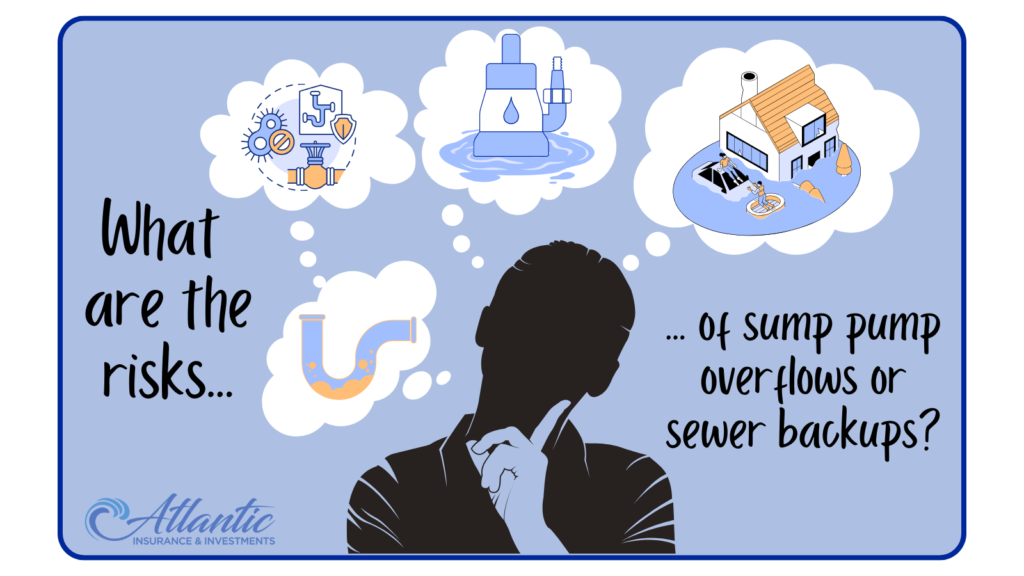
Sump Pump Overflow
First, what is a Sump Pump? A sump pump is a device designed to maintain a dry and moisture-free basement environment. It achieves this by efficiently removing excess water from a designated pit or basin, typically located in the lowest part of your basement where water naturally accumulates.
How Does a Sump Pump Work? The concept is straightforward: when water enters the pit and reaches a certain level, the sump pump springs into action, pumping the water out through a discharge pipe. This simple yet effective mechanism prevents basement flooding and safeguards your home from moisture-related issues like mold and mildew.

Common Causes of Sump Pump Overflow
Understanding why sump pumps may fail is essential for preventing potential issues. Here are some common causes of sump pump overflow:
- Power Outages: When there’s no electricity, your sump pump cannot function properly, leading to water accumulation in your basement.
- Overwhelmed System: Heavy rainfall or rapid snowmelt (not likely in our area) can inundate the pit, exceeding the pump’s capacity.
- Mechanical Issues: Malfunctioning float switches, stuck check valves, or clogs in discharge pipes can disrupt normal pump operations.
The dangers of sump overflow include property damage, mold growth, electrical hazards, fire risk and health concerns.
Sewer Backup
First, what is a Sewer Backup? Sewer backups occur when sewage flows back into your home through drains, toilets, or sinks. This can result from clogged sewer lines, heavy rain, or tree root intrusion. Cleanup and repairs from a sewer backup can be expensive and unsanitary.
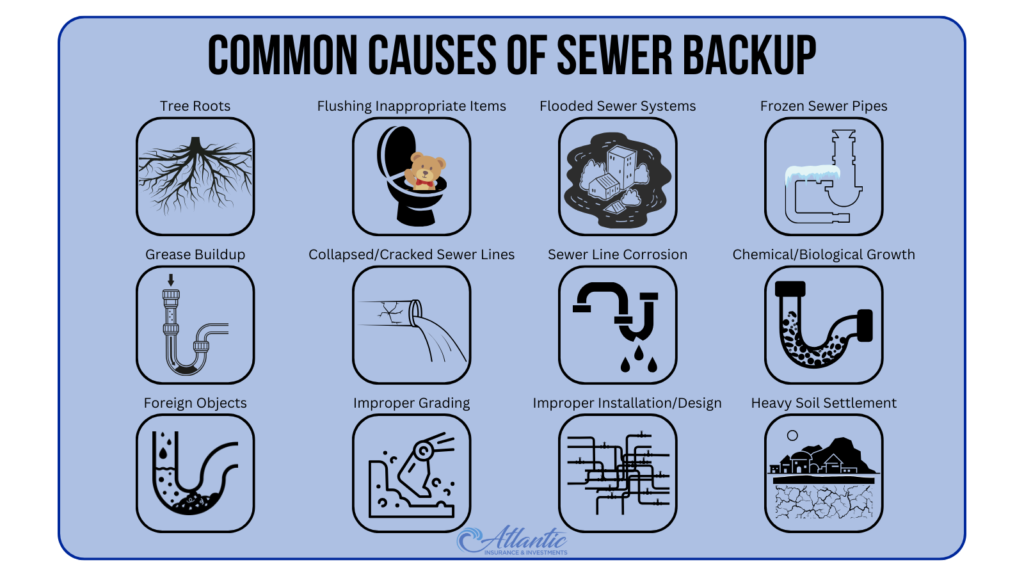
Common causes of Sewer Backup: Sewer backups can be incredibly disruptive and damaging. Understanding the common causes of sewer backups can help homeowners and property managers take preventive measures to avoid these issues. Here are some common causes of sewer backups:
Blockages from tree roots, grease buildup, foreign objects, flushing inappropriate items, collapsed or cracked sewer lines, improper grading, flooded sewer systems, sewer line corrosion, improper installation or design, frozen sewer pipes, chemical and biological growth, and heavy soil settlement.
Preventing sewer backups involves proper maintenance, responsible disposal practices, and, in some cases, professional inspections and repairs. Regularly inspecting and cleaning sewer lines, disposing of grease and inappropriate items in designated containers, and being mindful of what goes down the drain can help reduce the risk of sewer backups. Additionally, consulting with plumbing professionals for periodic inspections and maintenance can be a proactive measure to prevent sewer issues.
Water backup and sump overflow endorsements are essential additions to homeowners insurance, providing valuable protection against water damage events that standard policies may exclude. Before purchasing this endorsement, it’s important to review your specific needs, understand the terms, and consult with your insurance agent. By taking these steps, you can better safeguard your home and belongings from the costly consequences of water damage caused by sump pump overflows and sewer backups.
Questions about your homeowners insurance in SC or NC? Call Kristin Simpson.
Call or Text (803)261-4186 or Email: kristin@atlantic-ii.com